




Classification and Functions of Idlers
Release time:
2025-10-20
Buffer idlers: Installed beneath the material-receiving section, these components absorb material impact via structures such as spring plates and rubber rings, helping to extend belt life. They are ideal for applications with frequent material discharge, such as power plants and cement factories.

Categorized by Purpose
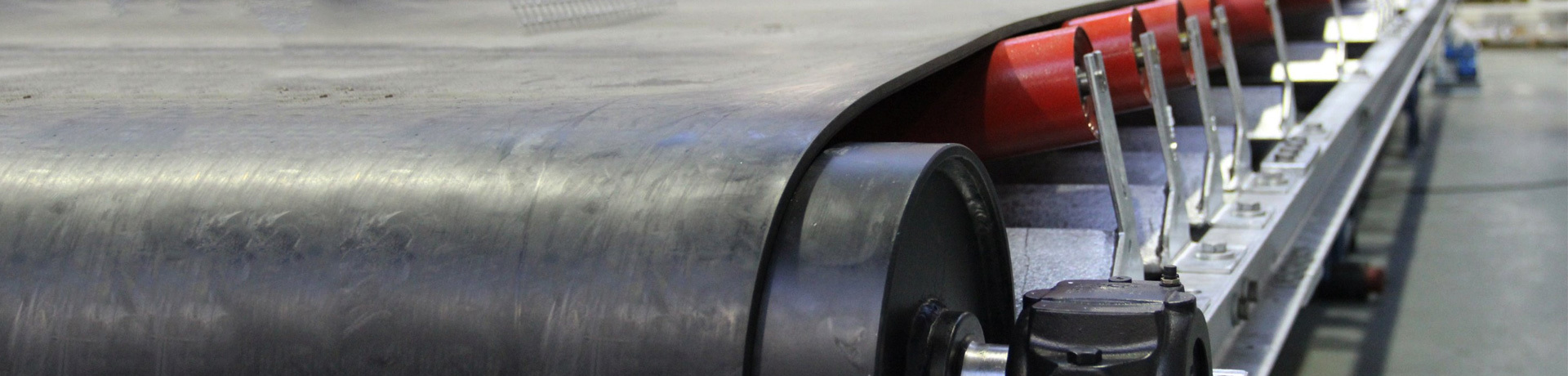
Carrying idlers: Support the weight of the conveyor belt and materials, preventing belt sagging. They include trough-shaped idlers (for heavy loads) and parallel idlers (for empty-load support).
Buffer idlers: Installed beneath the material-receiving section, these components absorb material impact via structures such as spring plates and rubber rings, helping to extend belt life. They are ideal for applications with frequent material discharge, such as power plants and cement factories.
Tension rollers: Designed with a conical shape or utilizing friction, these rollers automatically correct belt misalignment, ensuring stable operation of the conveyor system. They are commonly used in long-distance conveying systems such as those found in metallurgy and ports.
Backstop idlers: Prevent the belt from running in reverse, ensuring safe operation of inclined conveyors, and are widely used in mining and chemical industries.
Classified by Material
Steel idlers: High strength, suitable for underground applications or beneath iron removers where magnetic attraction needs to be prevented.
Ceramic idlers: wear-resistant, acid- and alkali-resistant, and antioxidant, while also preventing belt misalignment. They boast a lifespan more than 5 times longer than conventional idlers, making them ideal for harsh outdoor environments.
Polymer rollers: corrosion-resistant, self-lubricating, low-noise, lightweight, and antistatic—widely used in industries such as mining, ports, and food processing.
Rubber idlers: Flame-retardant and antistatic, ensuring stable, non-deviating operation—perfect for use in flammable and explosive environments such as underground coal mines.
Keyword:
Related News
In the mining sector: Challenges include dealing with ore dust, high humidity, and impact loads. The corrosion resistance and wear durability of polymer rollers can reduce equipment replacement frequency and lower maintenance costs.
2025-10-20
Performance characteristics of idlers
Drag reduction and efficiency enhancement: Rollers generate more than 70% of the total resistance in conveyors. High-quality rollers can lower the coefficient of friction, thereby reducing energy consumption. For instance, polymer rollers boast a low coefficient of friction, significantly boosting conveying efficiency.
2025-10-20
The Structure and Operating Principle of the Roller
The drum is primarily composed of a bearing housing, bearings, and baffles. Its working principle is based on frictional rotation—specifically, using rolling friction instead of sliding friction to minimize energy loss—and power transmission is achieved through the movement of a drive belt.
2021-11-12
The functional features and applications of rollers
High transmission efficiency: The large friction between the roller and the conveyor belt or other materials ensures high transmission efficiency, minimizing energy loss.
2025-10-20
Classification and Functions of Idlers
Buffer idlers: Installed beneath the material-receiving section, these components absorb material impact via structures such as spring plates and rubber rings, helping to extend belt life. They are ideal for applications with frequent material discharge, such as power plants and cement factories.
2025-10-20

Message
Whether it's about products, services or general inquiries, we're here to listen and answer your questions.